

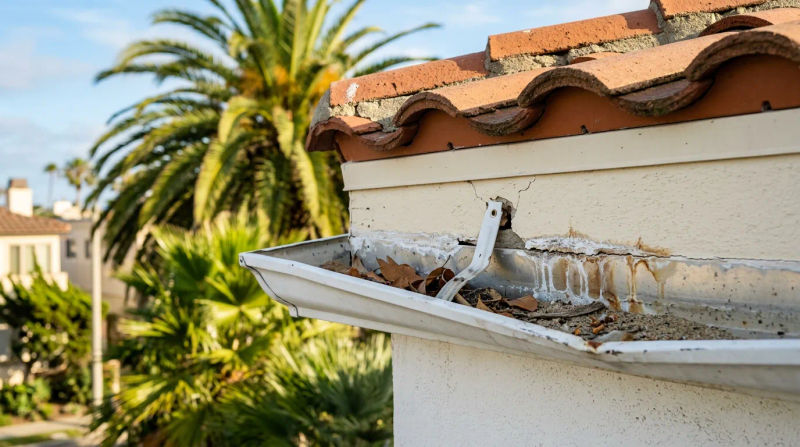
That long, dry Huntington Beach summer is finally starting to give way. You can feel a change in the air, a hint of moisture that promises relief from months of sun. As you’re doing some yard work, you glance up at your home and notice a dark streak running down the siding just below a gutter joint. It might seem like a small cosmetic issue now, but it’s one of the first whispers of a much larger problem that could be brewing just before the rainy season arrives.
Your home's gutter system is its first line of defense against water damage, channeling thousands of gallons of water away from your foundation, walls, and landscaping during a storm. Here in our coastal environment, where the first rains can arrive with surprising intensity, a failing gutter system can quickly lead to costly repairs. As a home services technician with over a decade of experience in the area, I’ve seen how small, overlooked gutter issues can escalate. Paying attention to the early warnings now, in September, can save you significant headaches later.
Common Signs and Symptoms
Before the rains begin, it’s the perfect time to walk around your property and perform a visual inspection. Our trained crews look for a standardized set of indicators, and you can, too. Here are some of the most common gutter repair signs to watch for:
- Visible Sagging or Pulling Away: This is one of the most obvious signs of trouble. Look along the roofline. Do you see sections of the gutter dipping down or pulling away from the fascia board (the board it’s attached to)? This indicates that the hangers have failed or the gutter is overloaded with debris, water, or both.
- Water Stains and Peeling Paint: Take a close look at the fascia boards, soffits (the underside of your roof eaves), and the siding directly below your gutters. Dark stains, discoloration, mold, or peeling paint are clear signs that water is overflowing or leaking from behind the gutter, compromising the wood and exterior of your home.
- Dripping or Leaking Seams: Gutters aren't a single continuous piece; they're made of sections connected at seams and corners. These joints are sealed with a sealant that can degrade over time. The key gutter seam leak symptoms are drips during or after rain, or visible cracks and gaps in the sealant on a dry day. You may also see vertical streaks of dirt or rust on the outside of the gutter at these joints.
- Pooling Water or Soil Erosion: Look at the ground directly below your gutters. Are there channels carved into your flowerbeds? Is there a collection of water pooling near your foundation? This means the gutter system is failing to direct water to the downspouts and away from the house, potentially leading to foundation damage.
- Rust or Orange Stains: If you have galvanized steel gutters, which are common on older properties, you might see small orange flecks or streaks of rust. This is a sign of corrosion from the inside out. In our salty Huntington Beach air, this process is accelerated and is a clear indicator that the metal is failing and leaks are imminent.
- Visible Cracks or Fractures: While more common in vinyl gutters, all types can suffer from physical damage. A stray ladder, a fallen branch, or even long-term sun exposure can cause cracks. Even a small fracture can become a major leak during a heavy downpour.
What Causes This Problem
Understanding the root cause of gutter failure is key to implementing a lasting solution. It’s rarely just one thing, but often a combination of environmental factors and maintenance issues.
One of the primary Huntington Beach gutter sagging causes is simply the weight of debris. Leaves, pine needles, roof grit, and even ash from the late fire season can accumulate. When this debris gets wet, it becomes incredibly heavy, putting immense strain on the hangers and fasteners that hold the gutter to your home. Over time, this weight will cause the hangers to bend, loosen, or pull out entirely.
The coastal climate itself is a major contributor. The intense UV radiation we experience during our long, dry summers bakes the sealant used at gutter seams, causing it to become brittle and crack. At the same time, the salt in the air is highly corrosive. It attacks metal fasteners, hangers, and the gutters themselves, leading to rust and premature failure. This is why we often see gutters that look fine from a distance but are structurally compromised upon closer inspection.
Improper installation is another frequent culprit. Gutters must be installed with a precise, gentle slope toward the downspouts - typically about a quarter-inch of fall for every 10 feet. If the pitch is wrong, water will pool in sections instead of flowing, adding weight and accelerating corrosion. In historic homes, like the beautiful Craftsman and Victorian styles found in nearby districts like Old Towne Orange, original gutter systems often have unique configurations that require specialized knowledge to repair or replace correctly. While most Huntington Beach homes are newer, any property built several decades ago may have an older system that wasn't designed for modern weather patterns or has settled with the house over time.
When to Call a Professional
Many homeowners are comfortable cleaning out their gutters, and for a single-story home with the right safety precautions, this can be a reasonable DIY task. However, diagnosing and repairing the underlying issues we’ve discussed is a different matter. This is where the expertise of experienced professionals becomes essential.
Attempting to fix sagging sections or leaking seams without understanding the root cause often leads to a temporary patch that fails in the first major storm. You should consider calling a professional if:
- You see significant sagging or pulling away. This isn't just a matter of tightening a screw. It requires an assessment of the fascia board's integrity, the type of hangers used, and the overall weight distribution. An organized crew can determine if the entire system needs to be re-pitched.
- You have multi-story or difficult-to-access gutters. Ladder safety is paramount. Our technicians are equipped with the proper safety gear and training to work at height without risking injury or property damage.
- You notice water damage on the fascia or siding. This indicates a more complex problem than just a clogged gutter. A professional can assess the extent of the water intrusion and determine if wood rot or mold needs to be addressed as part of the repair.
- You're considering when to rehang gutters. September is the ideal month for this work. It allows a professional to properly assess, remove, repair, and re-install the system with fresh sealant during dry weather, ensuring it has ample time to cure before the winter rains test its integrity.
Our standardized processes ensure that when our technicians address a gutter issue, they don't just patch the leak. They analyze the pitch, check the integrity of all hangers and seams, and ensure the entire system is prepared for the season ahead.
Conclusion
Your gutters are a small but critical component of your home's overall health. The subtle gutter repair signs you might spot today - a small drip, a slight sag, a faint water stain - are your home’s way of asking for help before the situation becomes critical. Ignoring them, especially with the Huntington Beach rainy season on the horizon, can lead to widespread water damage affecting your roof, walls, and even your foundation.
By taking a few minutes this month to inspect your gutter system and addressing any issues proactively, you can ensure your home is protected. Acting early is always less stressful and more cost-effective than dealing with an emergency repair in the middle of a storm.
If you notice any of these signs, contact a local General Contractor professional for an inspection. An expert assessment can provide peace of mind and a clear plan to keep your home safe and dry all winter long.