
You take pride in your home’s appearance, but lately, something seems off. When you lean against a wall, a chalky powder comes off on your hand. The once-vibrant trim now looks dull and faded, and you’ve spotted a few areas where the paint is starting to lift and peel away from the surface. Especially here in coastal Orange County, the intense summer sun can take a significant toll. As we move into September, the accumulated UV exposure, combined with the first hints of autumn rain, can reveal just how tired your home's exterior paint has become.
These are more than just cosmetic issues; they are early warnings of potential problems that, if ignored, can lead to more significant and costly repairs. Understanding what these signs mean is the first step toward protecting your investment and restoring your home's curb appeal.
Common Signs and Symptoms
Identifying exterior paint issues early is crucial. A regular walk around your property can help you spot problems before they escalate. Our technicians are trained to look for these specific indicators during an inspection, and you can too.
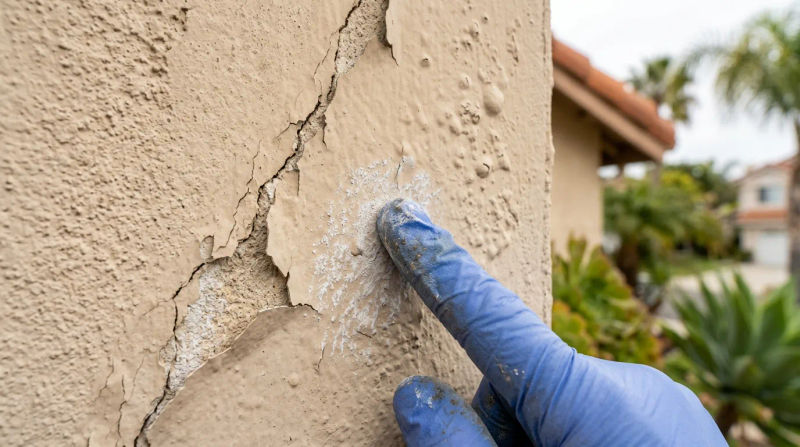
- Chalking: This is one of the most common issues we see, presenting as a fine, white, powdery layer on the surface of the paint. You can easily test for it by wiping your hand or a dark-colored cloth across a section of siding. If a chalky residue comes off, the paint's binder is breaking down. This is a classic sign of chalking paint coastal California homeowners often face due to intense sun exposure.
- Peeling, Blistering, or Bubbling: This is a clear sign of adhesion loss. Peeling exterior paint Orange County can range from small flakes to large sheets separating from the substrate. Blisters and bubbles are pockets of moisture or air trapped beneath the paint film. These often become more apparent after the first light rains of the season, as moisture finds its way into existing cracks and lifts the paint from the edges.
- Fading and Discoloration: Is the side of your house that gets the most sun a lighter shade than the rest? This is a prime example of UV fading house paint Midway City residents know well. The sun’s ultraviolet rays break down the pigments in the paint, causing them to lose their color. South- and west-facing walls are most susceptible. Discoloration can also be caused by environmental factors like soot or ash, a particular concern during the late fire season.
- Cracking: As paint ages, it loses its flexibility and can begin to crack. You might see alligatoring, where the cracking pattern resembles the scales of a reptile, indicating the paint has become brittle and will soon start to fail. You might also notice fine, hairline cracks, which are early indicators of stress on the paint film and can allow moisture to penetrate the surface.
What Causes This Problem
Understanding the root cause of paint failure is essential for ensuring a new paint job will last. Simply applying a fresh coat over a failing surface is a temporary fix at best. The underlying issues must be addressed through a standardized, professional process.
The Intense Coastal Environment Living in a beautiful coastal community like Midway City comes with unique environmental challenges that accelerate exterior paint failure. The combination of salt, moisture, and sun creates a demanding environment for any coating.
- UV Radiation: The relentless sun is the primary culprit behind fading and chalking. It chemically breaks down the paint's binders (the resin that holds the pigment together), leaving the pigment particles loose on the surface as a chalky powder.
- Salt Air: The Pacific’s salt-laden air travels inland and settles on your home. These salt particles are not only abrasive but also hygroscopic, meaning they attract and hold moisture against the paint, which can compromise its integrity and lead to peeling.
- Persistent Moisture: The morning marine layer provides a daily dose of dampness. If the surface wasn't properly prepared and sealed during the last paint job, this moisture can work its way behind the paint, causing the blistering and bubbling we often see.
Improper Surface Preparation From our team's extensive experience, we can say with certainty that the most common cause of premature paint failure is inadequate surface preparation. Paint needs a clean, dry, and sound surface to adhere to properly. Skipping steps like power washing to remove chalk and dirt, scraping all loose and peeling paint, and priming bare wood or stucco guarantees that the new coat will fail much sooner than it should.
Low-Quality Materials or Poor Application Using a cheap, low-quality paint is a false economy. These paints contain fewer of the essential binders and lower-grade pigments that provide durability and color retention. Likewise, even the best paint will fail if applied incorrectly - for instance, painting in direct, intense sunlight, applying the coat too thinly, or not allowing adequate dry time between coats.
Age and Building Materials Many homes in the broader Orange County area date back to the 1980s, an era characterized by large, two-story homes with expansive stucco exteriors, similar to those seen in neighborhoods like Yorba Linda. While durable, stucco is a porous material. Over time, hairline cracks can develop, allowing moisture from the marine layer to penetrate. If the home hasn't been repainted and sealed with a high-quality elastomeric coating in over a decade, this moisture can become trapped, leading to widespread paint peeling and even damage to the stucco itself.
When to Call a Professional
Deciding between a DIY touch-up and hiring a professional crew comes down to the scope and severity of the problem.
For a very small, isolated area of peeling on a first-floor wall, a motivated homeowner might be able to handle the repair. This involves careful scraping, sanding the edges smooth, applying a high-quality primer, and then dabbing on a matching topcoat.
However, in most cases involving the symptoms described above, calling an experienced professional is the most reliable and cost-effective path forward. Here are clear signs you need an expert:
- Widespread Issues: If you see chalking, fading, or peeling on more than one wall, or if the problem covers a significant portion of a single elevation, it points to a systemic issue that a spot-fix won't solve.
- Heavy Chalking: Dealing with chalking paint coastal California style requires more than a simple rinse. A professional crew knows that the surface must be thoroughly power washed and often treated with a specific sealing primer to ensure the new paint can form a strong bond. Painting directly over a chalky surface is a recipe for failure.
- Paint Peeling to a Bare Substrate: When you see peeling exterior paint Orange County homes sometimes exhibit, where it's coming off down to the bare wood or stucco, it signals a complete adhesion failure. This requires professional diagnosis to determine if trapped moisture or another underlying issue is the cause.
- Two-Story Homes and Difficult Access: Homes from the 1980s are often two stories tall. Safely preparing and painting upper levels requires scaffolding, extension ladders, and safety harnesses. Our trained crews have the equipment and experience to work at height safely and efficiently.
- The Need for a Lasting Solution: A professional contractor brings an organized workflow and standardized process to the project. From meticulous prep work and caulking to the final coat and cleanup, every step is designed to produce a durable, beautiful finish that protects your home for years to come.
Conclusion
Your home’s exterior paint is its first line of defense against the elements. Signs like chalking, peeling, and fading are not just cosmetic flaws; they are indicators that this protective barrier is breaking down. Here in coastal Southern California, the combination of sun, salt, and moisture means we have to be especially vigilant.
By identifying these problems early, you can address them before they lead to more serious issues like wood rot or stucco damage. A proper diagnosis and a professional approach focused on meticulous preparation are the keys to a paint job that not only looks great but also provides long-lasting protection for your home.
If you notice any of these signs, contact a local General Contractor professional for an inspection. They can help you understand the extent of the problem and recommend the best course of action.