

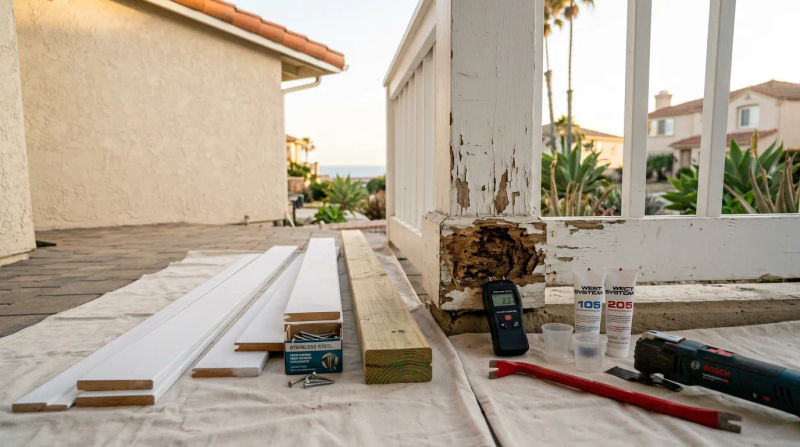
As a Senior Home Services Technician with over a decade of experience here in Huntington Beach, one of the most common questions I hear from homeowners is, "What is this going to cost?" It's a fair question, and often the first one people have when they discover potential dry rot. Whether you’ve noticed some peeling paint on your eaves or a soft spot on your deck, understanding the potential costs is the first step toward a solution. My goal here is not to sell you a service, but to give you a transparent, inside look at the real costs of dry rot repair so you can budget wisely.
Here in Huntington Beach, our beautiful coastal environment comes with a unique challenge: moisture. The persistent marine layer, morning dew, and even sprinkler overspray can keep exterior wood damp for extended periods. This is the perfect recipe for dry rot fungus (Serpula lacrymans) to take hold. I often see an uptick in calls around September, as homeowners do their pre-rain checkups and discover issues that need to be addressed before winter. This guide will walk you through what to expect when you get a coastal dry rot repair estimate.
Average Costs in Huntington Beach
Providing a single price for dry rot repair is impossible because every situation is unique. However, based on the hundreds of projects our technicians handle, I can share some realistic price ranges to help you budget. These figures typically include labor, materials, and disposal of old material.
- Small, Localized Repairs: $450 – $950
- This range usually covers a very specific, contained issue. Think of a few feet of rotted fascia board, a single damaged rafter tail, or a small section of window trim. These jobs are relatively quick, require minimal material, and don't involve complex structural work. The repair often involves cutting out the damaged section and skillfully splicing in a new piece of wood.
- Medium-Sized Projects: $1,200 – $3,500
- When the rot has spread a bit further, you move into this price tier. This could involve replacing an entire fascia board along one side of the house, repairing multiple deck joists, or addressing rot that has crept into the corner of a patio cover. The wood trim replacement cost Huntington Beach homeowners face often falls into this category when several sections are compromised. These jobs require more time, more material, and a more thorough investigation to ensure all the fungus has been removed.
- Large-Scale or Structural Repairs: $4,000+
- This is for extensive damage that has compromised the structural integrity of your home. Examples include widespread rot in support posts, beams, or significant portions of a subfloor. Getting accurate subfloor dry rot contractor pricing HB is critical, as these projects are complex. They may require temporary supports (shoring) to hold up the structure while the damaged wood is replaced. The cost can climb significantly from here depending on the severity and accessibility of the damaged area.
Factors That Affect Price
The ranges above are a starting point. The final price on your estimate will be determined by several key factors that our trained crews assess during an inspection.
- Extent of the Damage: This is the biggest cost driver. What might look like a small spot on the surface can often be the tip of the iceberg. The fungus can travel through the wood, weakening it from the inside out. A thorough inspection involves probing the wood to find the full perimeter of the damage. A 1-foot patch is much cheaper than replacing a 16-foot beam.
- Location and Accessibility: Where is the rot located? A damaged trim board on the first floor is easy to access. Rotted eaves on a steep, two-story roof require extensive ladder work or even scaffolding, which increases labor time and cost for safety and setup.
- Structural vs. Cosmetic: There's a huge difference between replacing a decorative piece of trim and a load-bearing support post. Structural repairs require a higher level of skill, more robust materials, and often involve engineering considerations to ensure the home's safety, which naturally increases the dry rot repair cost.
- Material Choices: The type of wood used for the replacement matters. Standard pine or fir is less expensive upfront, but using more durable, rot-resistant options like redwood, cedar, or modern composite materials can be a wise investment, especially in our damp coastal climate. We always discuss the pros and cons of each material with homeowners.
- Finishing Work: A professional repair doesn't stop at replacing the wood. The job should include priming all sides of the new wood, caulking seams, and applying a quality top coat of paint. These finishing steps are non-negotiable for protecting the new wood and preventing a recurrence, but they do add to the labor and material costs.
How to Get the Best Value
Getting the "best value" isn't about finding the cheapest price; it's about getting a durable, long-lasting repair that you won't have to worry about again in a few years. In my experience, here’s how you can do that:
- Act Quickly: The moment you see peeling paint, stained wood, or feel a soft spot, call for an inspection. The longer you wait, the more the fungus spreads, turning a small, affordable repair into a major, expensive project.
- Bundle Your Repairs: If you have dry rot in a few different spots, it's more cost-effective to have our crew address them all in one visit. This minimizes setup time and travel costs, saving you money compared to scheduling separate repairs.
- Invest in Better Materials: For areas prone to moisture, I often recommend upgrading from standard wood to a composite material or properly treated wood. While the upfront cost is higher, it can save you from repeating the same repair down the line.
- Address the Moisture Source: A good contractor doesn’t just fix the damage; they help you identify the cause. Is a sprinkler head hitting the wall? Is a gutter clogged and overflowing? Fixing the root cause is the only way to ensure the rot doesn't come back.
Questions to Ask Your Contractor
When you get an estimate, you are in control. A professional contractor will be happy to answer your questions. Here are a few I recommend asking:
- How will you confirm the full extent of the rot? (They should describe a diagnostic process, not just a visual guess.)
- What materials do you propose using for the replacement, and why are they right for my home?
- Does your estimate include all finishing work - priming, caulking, and painting?
- What is your plan to prevent the rot from returning to this area?
- Is your crew composed of employees, and are they covered by workers' compensation and liability insurance?
- Will you provide a detailed, itemized quote? (This helps you compare apples to apples with other bids.)
A contractor who provides clear, confident answers to these questions is likely running an organized operation with standardized processes you can trust.
Ultimately, tackling dry rot is about protecting the investment you've made in your home. By understanding the factors that influence cost and asking the right questions, you can approach the repair process with confidence. Don't let a small problem today become a major headache tomorrow.
For a personalized and detailed coastal dry rot repair estimate in Huntington Beach, contact Cali-Home Services for a free consultation. We can help you assess the damage and create a clear plan for restoration.